
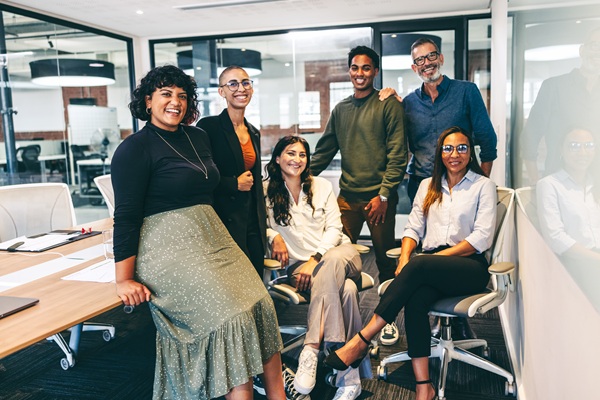
Successful events aren’t built through grand gestures. Instead, they’re created on small decisions that help people feel seen, respected and able to take part fully. Inclusion shouldn’t be a separate track in meetings and events design. It should be embedded.
As workforces become more global, multigenerational, and diverse in experience, expectations have shifted. Attendees want more than a well-run agenda. They want to feel considered, supported, and able to participate fully. This shift is a signal that it’s time to rethink the basics—from registration and accessibility to scheduling, food, and formats.
Think about people, not personas
Every attendee brings a mix of identities shaped by culture, background, role, and lived experience. Those factors don’t operate in isolation; they overlap in ways that influence how people experience travel and events. Programs that ignore that complexity risk creating friction or unintentionally excluding participants. Those that account for it create stronger engagement, trust, and participation.
In practice, this shows up in small but visible ways, like registration systems that support global naming conventions, tools that allow for pronunciation guidance, or event technology that captures dietary, accessibility, and preference data upfront.
Design for different life stages
Inclusion is about identity and where people are in their lives and careers. With multiple generations active in the workforce, one-size-fits-all event design is losing relevance. The goal isn’t to segment by age, but to design for different life stages. Early-career attendees may need clearer guidance and support, while more experienced participants may prioritize flexibility, comfort, and usability. When programs overlook those differences, participation can drop. When they account for them, engagement improves across the board.
Accessibility
Accessibility in meetings and events has moved beyond compliance. It’s now about creating seamless experiences for a wide range of needs, from neurodivergent attendees to multilingual participants to those navigating complex travel environments.
That shift is especially visible in how events are designed:
- Information is shared in multiple formats, not just one
- Captioning and translation tools support real-time participation
- Quiet or low-sensory spaces give attendees options beyond high-energy environments
- Networking formats move beyond large receptions to include smaller, structured interactions When accessibility is designed in from the start, attendees spend less time navigating obstacles—and more time connecting, learning, and contributing.
For organizations, that translates directly into stronger engagement and better outcomes.
A high-impact area hiding in plain sight: meals
Food remains one of the most visible ways inclusion shows up in practice. Attendees’ needs are shaped by religion, health, ethics, and lifestyle—from halal or kosher meals to plant-based diets, allergen considerations, and alcohol-free preferences. Fasting periods and prayer schedules can also influence when and how people engage. Attendees should feel confident their needs are anticipated, not accommodated last-minute.
Organizations can respond with clearer menu labeling, more non-alcoholic options, culturally relevant choices, and tools like QR codes for ingredient transparency. Meal timing can also be made more flexible to account for fasting and observances.
Considerations for caregivers
Many employees balance work with responsibilities like childcare, elder care, or supporting family members. When events don’t account for that reality, participation can drop because attendees are forced to choose between work and personal commitments. Inclusive programs are starting to address this more directly. That includes:
- More flexible schedules with realistic pacing
- Hybrid or virtual participation options
- On-site or local childcare solutions where feasible
- Dedicated spaces for caregiving-related needs
These changes don’t just improve inclusion, they support retention, reduce stress, and broaden who can participate.
Inclusion is built through design decisions
Across all of these areas, the pattern is consistent: inclusion isn’t driven by a single initiative. It’s the result of decisions made throughout the planning process.
- What data you collect and when
- How flexible your agenda is
- How clearly information is communicated
- Whether attendees have options, or just defaults
The organizations seeing the most impact aren’t adding complexity. They’re asking better questions earlier and embedding those insights into their processes.
The business case is clear
Inclusive meetings should reflect company values. When people feel supported, they engage more fully. When experiences remove friction, participation broadens. And when programs reflect the realities of a diverse workforce, they build trust across global audiences.
Want the full picture? Download Inclusive Travel & Meetings Insights.